This post may contain affiliate links. As an Amazon Associate, We earn from qualifying purchases if you buy through our links at no extra cost to you. Please read our full disclosure here.
The entryway mudroom of a home is the ultimate hard-working transition zone.
It’s the chaotic landing pad where groceries get dropped, muddy boots get kicked off, and backpacks are inevitably abandoned.
Yet, when designed intentionally, this high-traffic area can instantly calm the visual noise of a busy household and keep the rest of your living space entirely clutter-free.
Whether you are dealing with a cramped front door situation or a sprawling secondary foyer, a functional transition space serves as your daily reset zone.
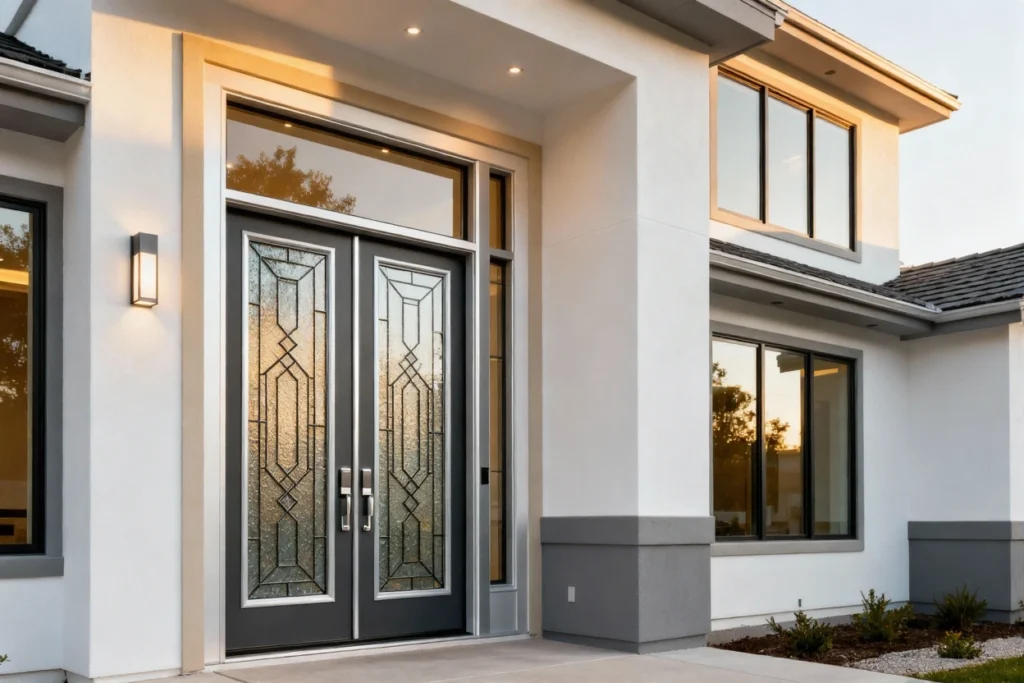
To perfectly complete your front entrance transformation, complement your storage setup with curated Entry Table Decor Ideas and elevate your home’s curb appeal from the outside in with striking Decorative Glass Entry Doors.
17 Entryway Mudroom Ideas
Here are 17 practical design ideas that balance rugged utility with beautiful interior aesthetics.
Built In Bench With Hidden Storage
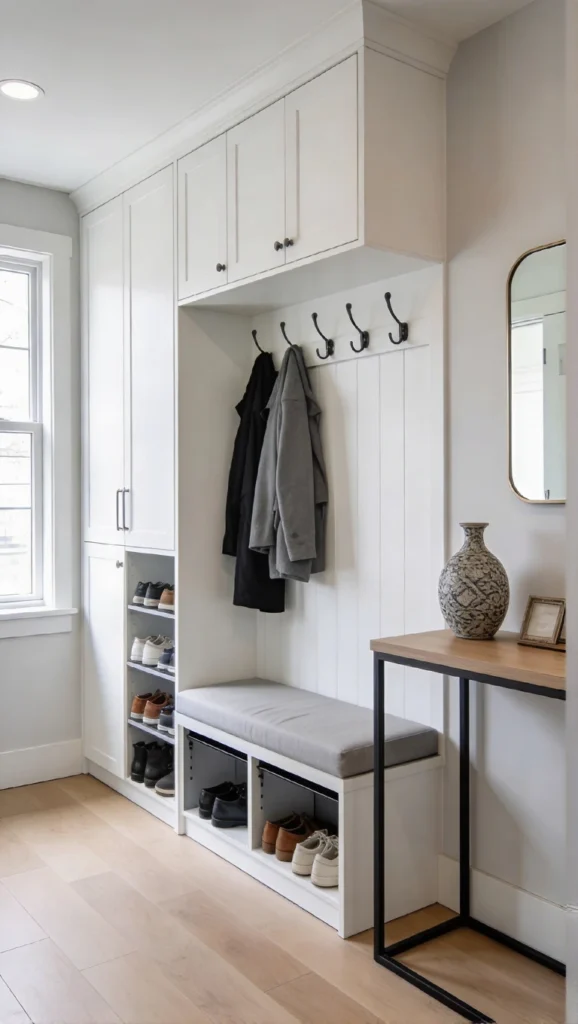
A solid storage bench is a non-negotiable drop zone anchor.
Beyond giving you a dedicated spot to lace up boots, it keeps off-season gear entirely out of sight.
When designing these, I always recommend a flip-top lid or deep, under-bench pull-out drawers.
They are perfect for hiding bulky winter blankets, dog towels, or seasonal sports gear that you don’t want guests tripping over.
Wall Hooks for Everyday Essentials
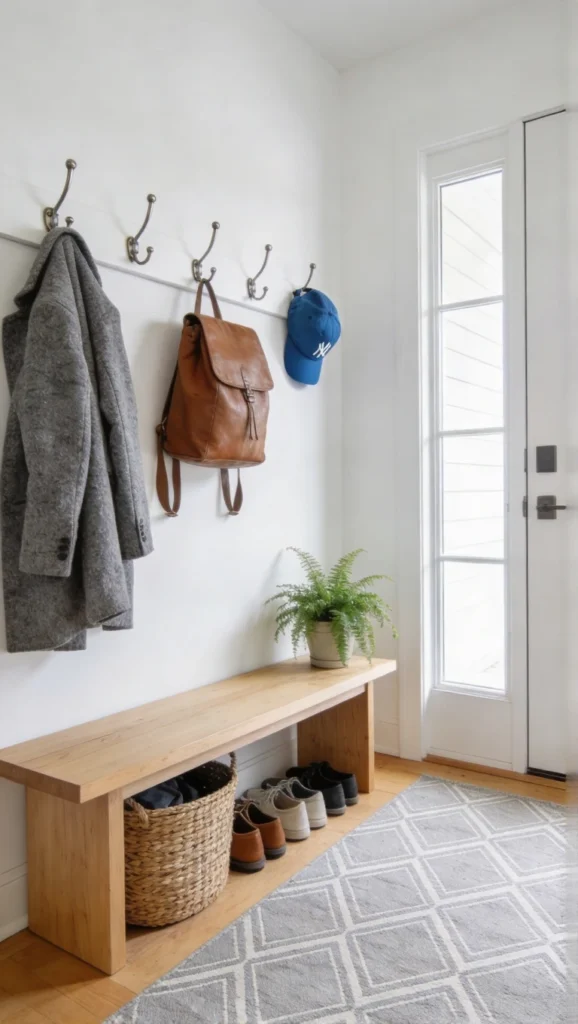
Instead of installing a single, rigid row of coat hooks, try staggering your hardware at a few different heights.
Mount heavy-duty brass or matte black hooks at eye level for adult coats and bags.
Then, place a secondary row about three feet off the ground.
This makes it incredibly easy for kids to actually hang up their own backpacks without you needing to remind them.
Individual Cubbies for Family Organization
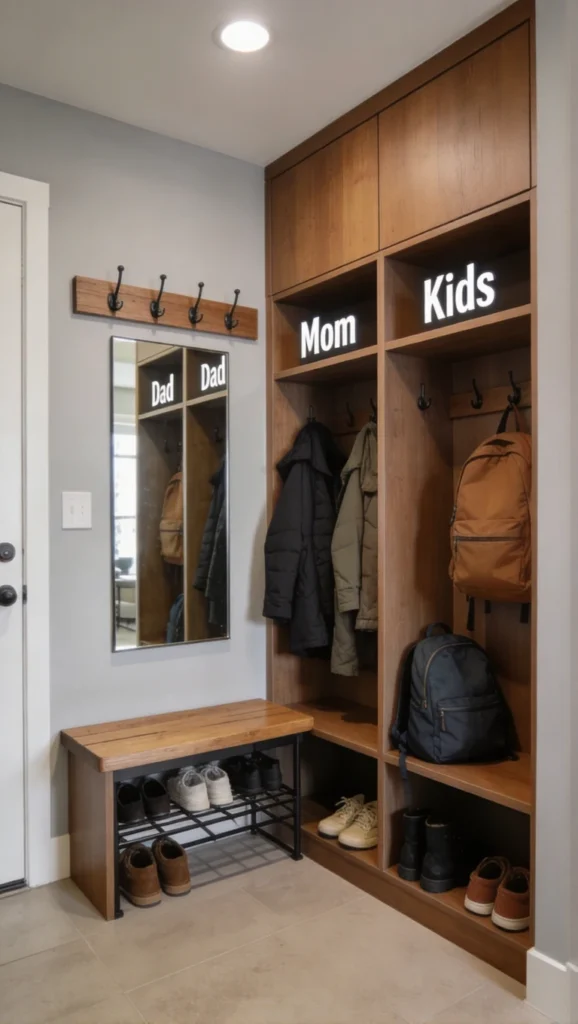
If you’re managing a busy household, personalized cubbies are an absolute sanity-saver.
Assigning a specific locker or open shelf to each family member builds instant accountability.
Everyone knows exactly where their shoes, hats, and keys belong.
Trust me, this single layout choice saves you from that classic 7:00 AM chaotic morning scramble.
Slim Cabinets for Narrow Entryways

You don’t need a massive, sprawling floor plan to create a functional drop zone.
For narrow hallways, slim-profile shoe cabinets—specifically the ones with tilting vertical compartments—are a lifesaver.
They maximize vertical wall space without cutting into your walking path, keeping the traffic lane clear while tucking away a dozen pairs of sneakers.
Open Shelving for a Light Feel

If you prefer a relaxed, lived-in aesthetic, open shelving is a fantastic, airy alternative to heavy cabinetry.
The secret to keeping it from looking messy?
Use matching rattan, seagrass, or wire baskets to corral smaller items like winter gloves, dog leashes, and sunglasses.
It gives you the look of open airiness with the utility of hidden storage.
Shoe Drawers for a Clean Look

For a truly minimalist aesthetic, try integrating deep, seamless drawers directly into the base of your cabinetry. This completely eliminates that chaotic pile-up of sneakers by the front door. By keeping everyday footwear entirely out of sight, you maintain a polished, high-end look even during high-traffic seasons.
Floating Bench for Modern Style

A wall-mounted floating bench brings an instant architectural, modern feel to an entry. Beyond looking sleek, raising the bench structure off the floor leaves the footprint underneath wide open. This makes it incredibly easy to slide heavy-duty boot trays out of sight or quickly run a vacuum underneath.
Classic Mudroom Lockers

To capture that timeless, built-in mudroom look, floor-to-ceiling custom lockers offer incredible organization. Combining a top cabinet, open coat hooks, and lower shoe cubbies into a single cohesive unit adds immense structural charm—and honest resale value—to family homes.
Dedicated Drop Zone Area

Every entry needs a designated surface for the small essentials that usually end up lost on the kitchen island. A small console table or a built-in counter serves as the perfect landing pad for keys, mail, and charging phones. Pair it with a small ceramic catchall dish or a stone tray to keep daily clutter looking intentional.
Warm Wood Accents

Mudrooms can easily look cold and sterile if they are just rows of white cabinets. Balance that heavy utility by bringing in natural materials. A rich oak bench seat, a stained wood shiplap backdrop, or walnut shelving introduces beautiful texture and warmth, ensuring the space feels like a welcoming extension of your home.
Minimalist Entryway Mudroom Design

If visual clutter stresses you out, embrace a clean, minimalist approach. Use hidden touch-latch cabinetry, a monochromatic neutral color palette, and concealed hardware. This keeps the sightlines unbroken and creates a peaceful, calming environment to step into at the end of a long day.
Vertical Shoe Storage Wall

For shoe-loving households, traditional small floor racks just won’t cut it. Utilizing an entire vertical wall with adjustable shelving allows you to maximize your storage potential. Group your footwear by season, keeping everyday pairs within arm’s reach and specialized winter or hiking boots higher up.
Pet Friendly Features

Don’t forget about your four-legged family members when planning this space. Dedicate a lower drawer or a specific basket for leashes, waste bags, and pet towels. If you’re doing a full remodel, incorporating an under-counter feeding station or a built-in pet-washing station is a massive lifestyle upgrade.
Statement Lighting

Lighting shouldn’t just be a functional afterthought—it sets the tone for your whole home’s interior design. Replace that basic builder-grade flush mount with a striking statement pendant or a pair of elegant wall sconces. Warm, layered lighting makes the space feel highly curated and welcoming.
Storage Baskets for Flexibility

If custom carpentry isn’t in the budget right now, do not underestimate high-quality freestanding baskets. They offer incredible styling flexibility. You can easily rearrange them as your seasonal needs shift, and they are simple to clean, replace, or move to other rooms when your organizational needs evolve.
Entryway Mudroom Under the Stairs
Don’t let the awkward dead space beneath a staircase go to waste. Custom-fitted pull-out coat racks, recessed shelving, or a cozy built-in bench can turn an overlooked alcove into a highly efficient, character-filled transition zone that looks like it was part of the original house blueprint.
Mirror to Expand the Space

Mounting a beautiful statement mirror above your drop zone serves two vital purposes. First, it bounces natural light around to make tight hallways feel significantly larger. Second, it gives you a quick, convenient spot for an outfit check before you head out the door.
Common Mistakes to Avoid
- Ignoring Floor Durability: This area faces a constant barrage of dirt, moisture, and grit. Avoid delicate hardwood or high-maintenance carpets. Instead, invest in rugged porcelain tile, natural slate, or luxury vinyl plank (LVP) that can handle heavy scrubbing.
- Neglecting Proper Ventilation: Wet raincoats and damp boots naturally create odors. If your storage units are entirely enclosed, ensure your cabinetry features vented doors (such as cane web inserts or louvers) to maintain adequate airflow.
- Forgetting a Mud-Trapping Rug: The ultimate line of defense for the rest of your house is a high-quality entryway rug. Look for a durable, washable rug or a heavy-duty natural jute runner that can easily trap outdoor debris right at the threshold.
Frequently Asked Questions
What is the difference between an entryway and a mudroom?
An entryway is typically the general front-door transition space, while a mudroom is a more utilitarian version built specifically for shoes, coats, and outdoor gear, often located near a side or garage door. Many homes blend both functions into one space, which is what most of the ideas above are built for.
How much storage does a mudroom actually need?
As a general guideline, plan for one cubby or hook zone per family member, plus extra bench or shelf space for shared items like umbrellas, bags, and pet gear. Small entries can still achieve this with slim cabinets or vertical storage (see Ideas #4 and #12).
What’s the best flooring for a mudroom?
Durable, water-resistant materials like porcelain tile, natural slate, or luxury vinyl plank hold up best against dirt, moisture, and heavy foot traffic. Avoid hardwood or carpet in this zone, they wear out quickly here.
How do I make a small entryway feel less cramped?
Lean on vertical storage, open shelving, and a statement mirror to bounce light around (see Ideas #5, #12, and #17). Slim cabinets also help maximize storage without eating into your walking path.