This post may contain affiliate links. As an Amazon Associate, We earn from qualifying purchases if you buy through our links at no extra cost to you. Please read our full disclosure here.
If you’ve ever stood in an unfinished basement trying to picture a bedroom there, you already know the struggle. Low ceilings. One tiny window, or maybe none at all. That slightly damp, concrete smell that no candle seems to fully fix. It’s a lot to work with.
But here’s the thing: basement bedrooms can actually turn out gorgeous, sometimes even cozier than the ones upstairs. I’ve pulled together 15 basement bedroom ideas that tackle the real problems (dark corners, low ceilings, that unfinished feel) instead of just looking pretty in a photo.
Whether you’re finishing a guest room, a teen hangout space, or your own new bedroom, these ideas will help you get there without a full renovation budget.
Lighting Fixes For Dark Basements
1. Recessed Lighting Over Old Fixtures
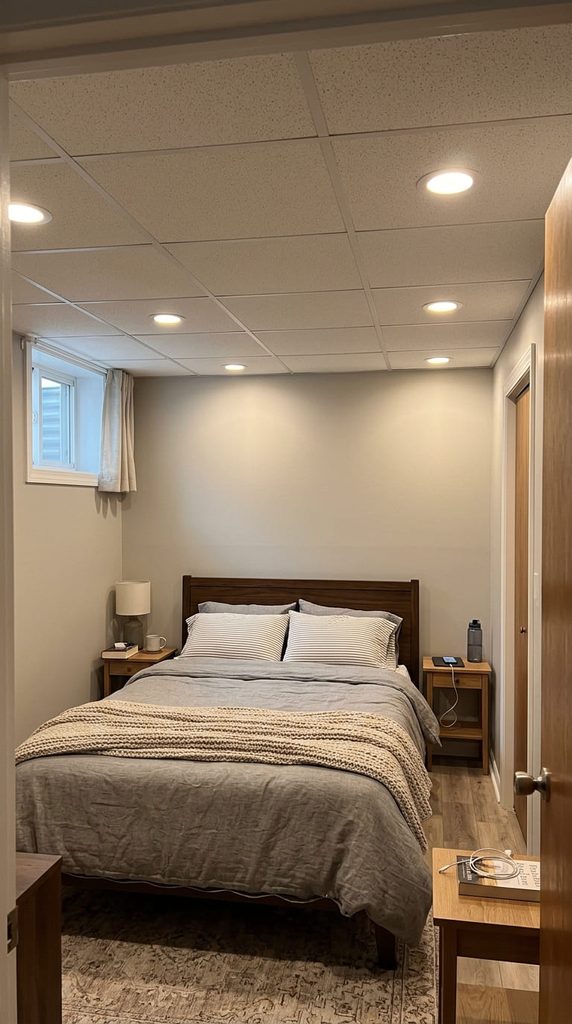
Old basement light fixtures tend to hang low and look, well, sad. Swapping them out for recessed lighting is one of the best things you can do for a basement bedroom, especially if your ceiling is already tight on height.
Recessed lights sit flush, so you’re not losing any precious inches, and they spread light more evenly across the room instead of leaving one harsh spot in the middle.
2. Warm Table Lamps Instead Of Overhead Light
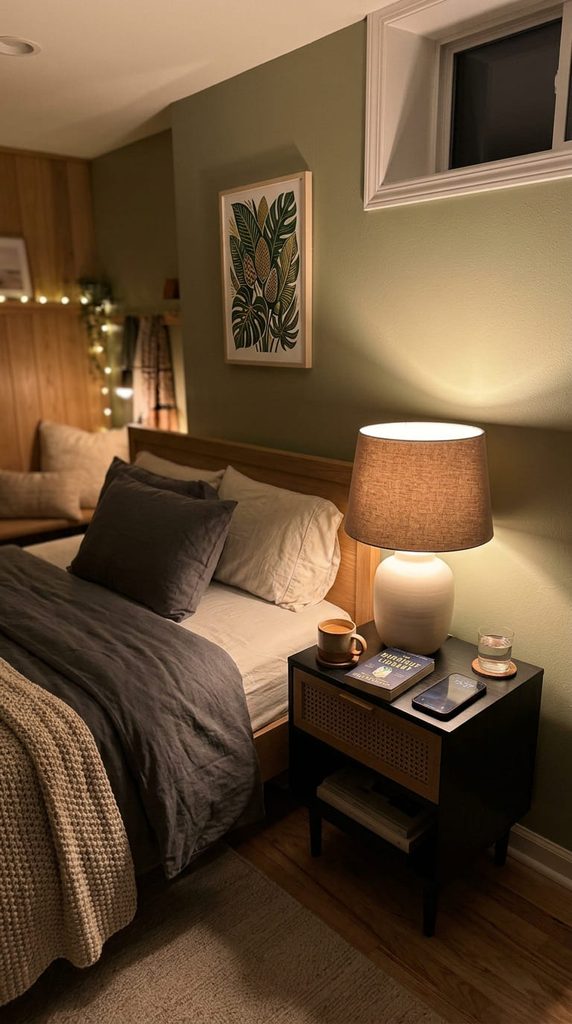
Basements already have less natural light, so the last thing you want is a cold, bright overhead bulb making the room feel more like an office than a bedroom. I always tell people to lean on table lamps instead.
A couple of warm-toned lamps on nightstands or a dresser do more for the vibe of a basement bedroom than any ceiling fixture ever could. It’s a small swap, but it changes the whole mood of the room, and it’s easier on your electric bill too.
3. Mirrors To Bounce What Little Light You Have
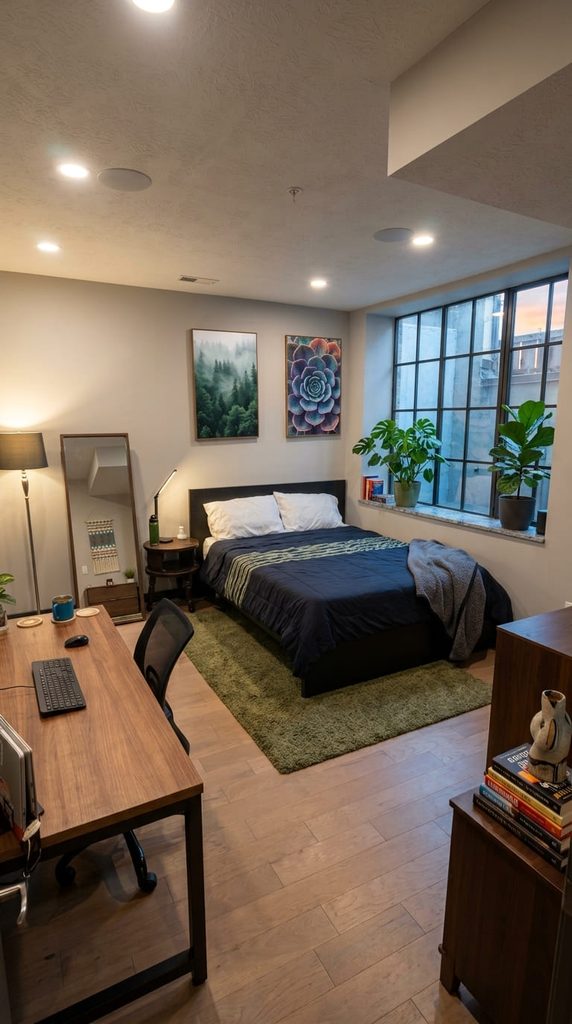
If your basement bedroom only has one small window, or none at all, a big mirror placed across from your main light source (window or lamp) will help bounce that light around the room. It sounds like a small trick, but it genuinely makes a dark room feel more open and less closed in.
Color And Paint Tricks
4. Color Drenching The Walls And Ceiling
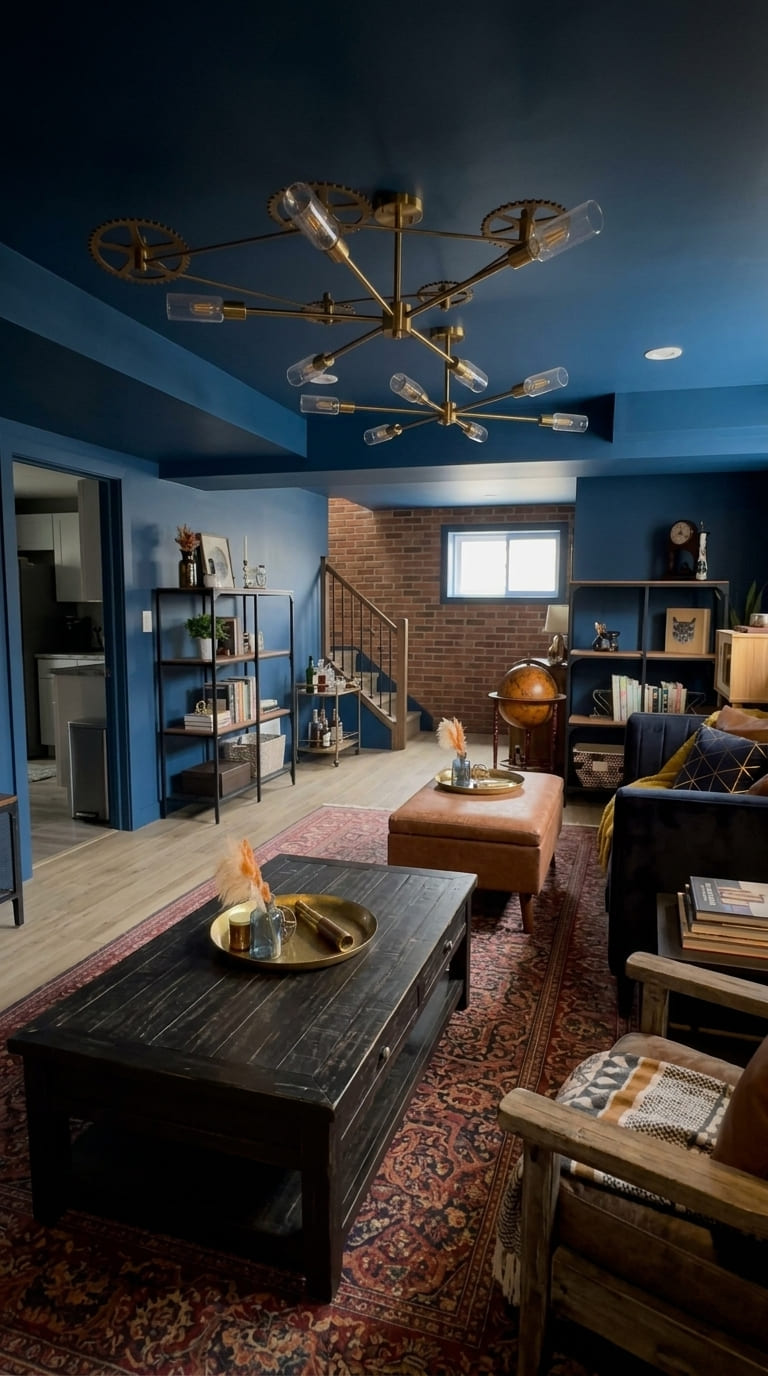
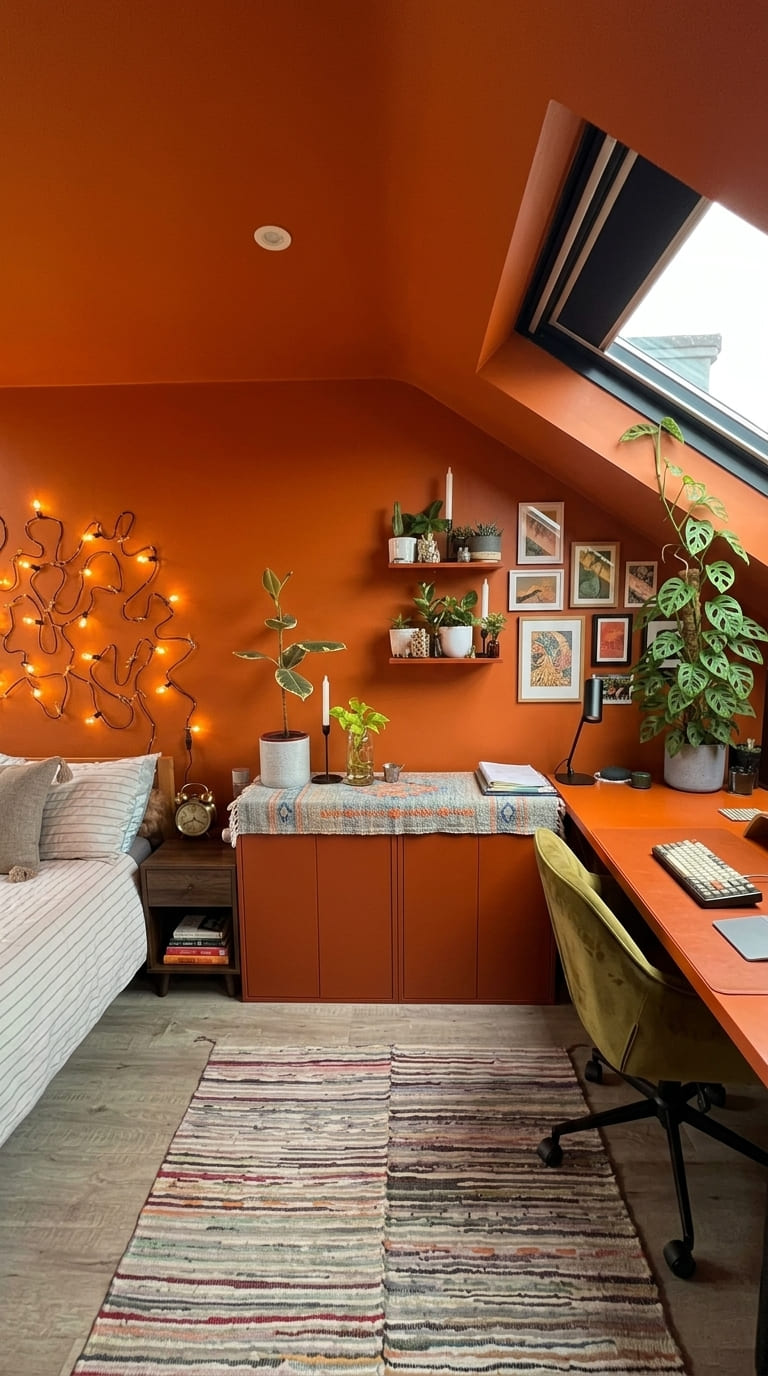
This one might sound backwards, but painting the walls, ceiling, and trim all one color (also called color drenching) actually works really well in basement bedrooms. Instead of drawing attention to where the low ceiling meets the wall, the whole room blends into one cozy, cocoon-like space. Go for a deeper, warmer shade here rather than stark white.
5. Light, Warm Neutrals For Low Ceiling Rooms
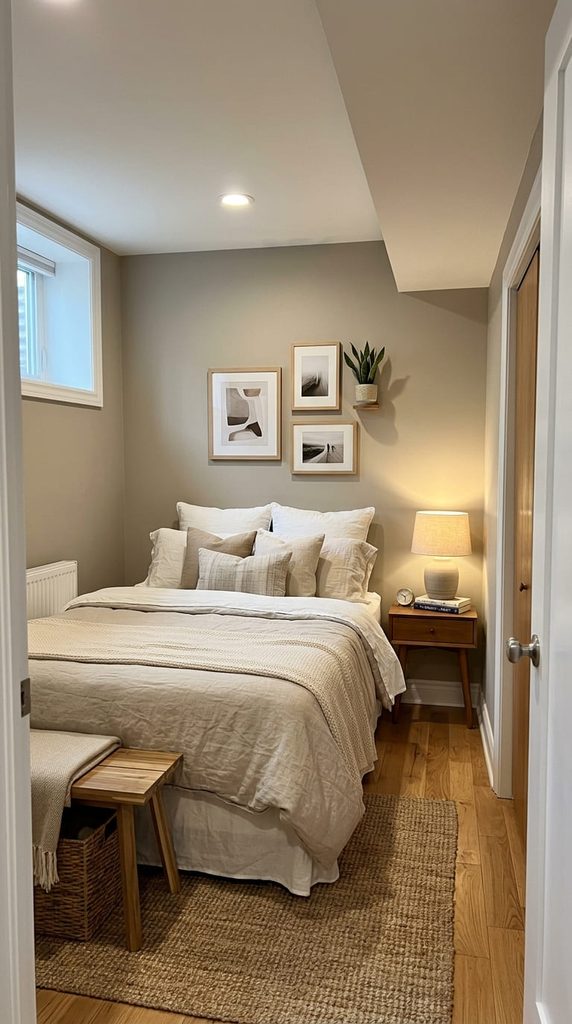
If a bold color drench feels like too much for your space, a warm neutral is the safer route that still avoids that cold, sterile basement feeling. Skip the stark white and go for something with a hint of warmth in it, like a soft greige or a warm oatmeal tone.
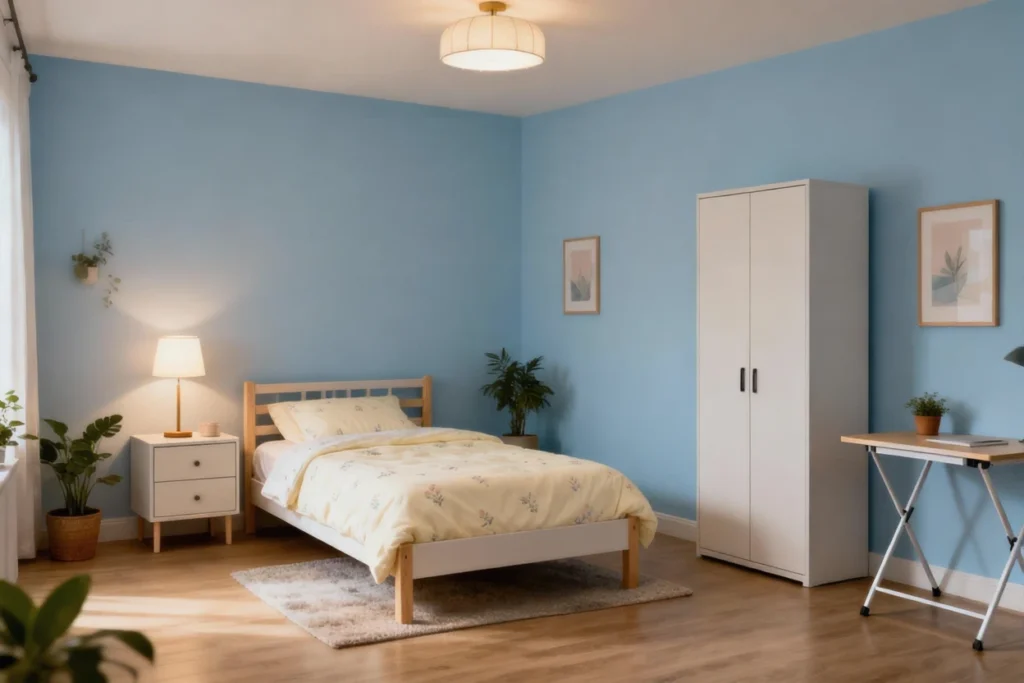
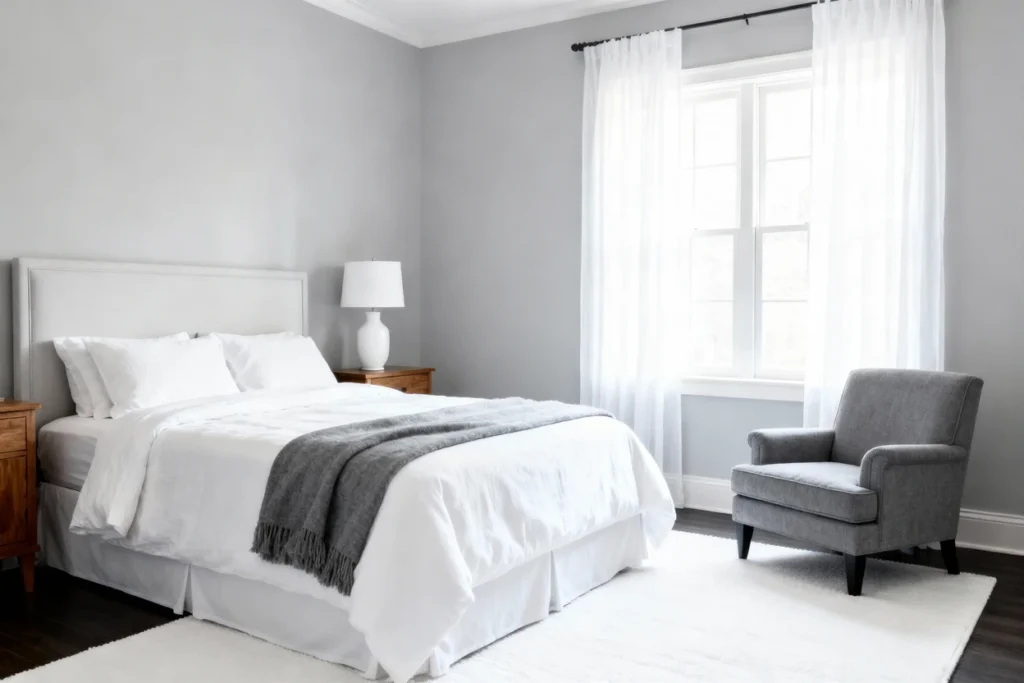
Cool grays and blues can sometimes make a windowless room feel even colder, so I always test samples directly in the basement before committing. Paint looks completely different down there than it does upstairs.
6. A Bold Accent Wall To Add Personality
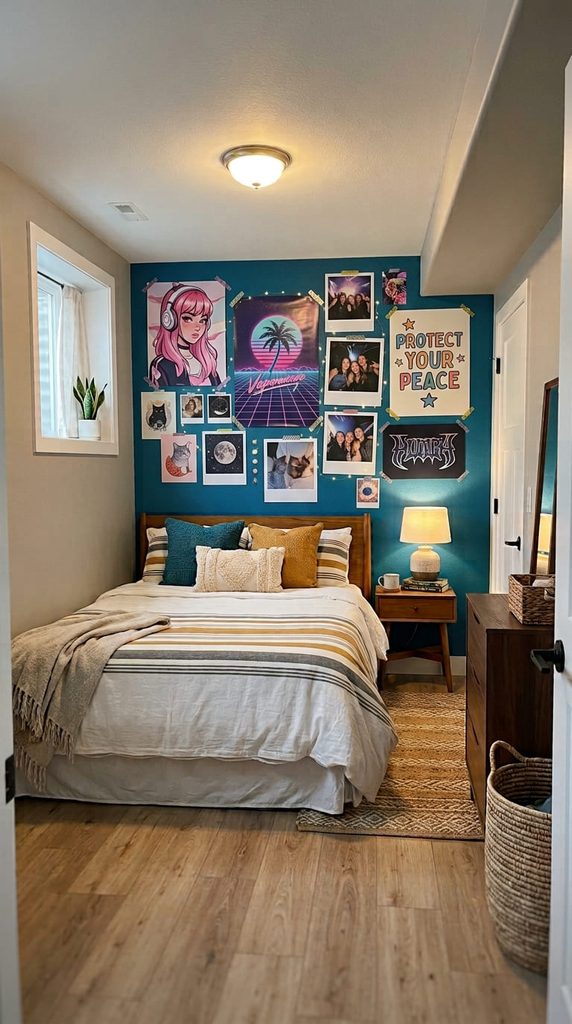
Not ready to commit to color everywhere? One bold accent wall gives you personality without overwhelming a small, low-ceiling space. This works especially well behind the headboard, where it becomes the focal point the second you walk in.
RELATED: 2000s Teen Bedroom Ideas That Are Giving MAJOR Nostalgia
Flooring That Handles Basement Conditions
7. Waterproof Vinyl Plank Flooring
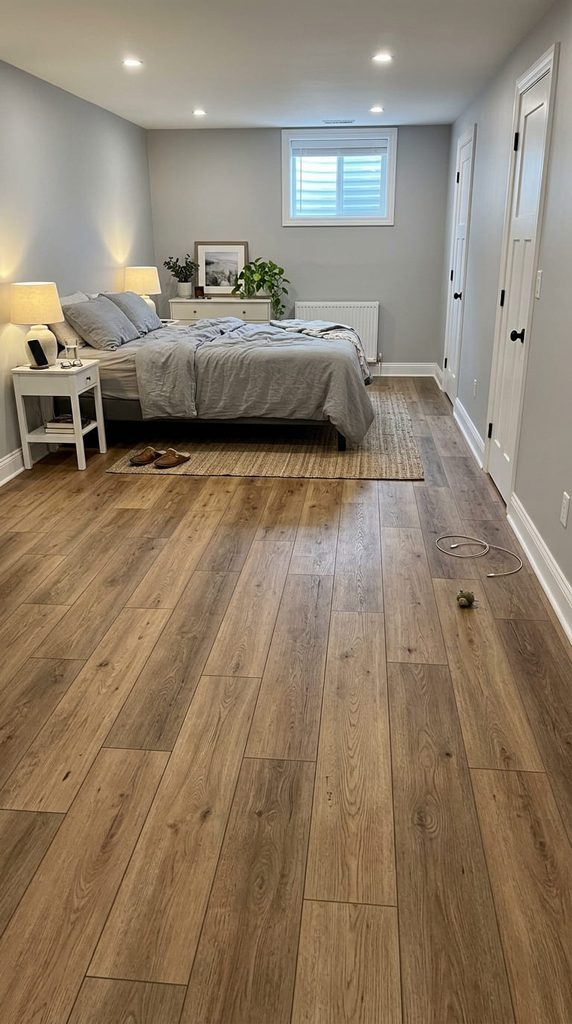
Basements deal with moisture in a way upstairs rooms just don’t, so flooring choice actually matters here more than almost anywhere else in the house. Waterproof vinyl plank flooring has become my go-to recommendation for basements because it holds up to humidity, it’s budget-friendly, and honestly, it looks like real wood once it’s down.
Another perk: a lot of these click-lock options are simple enough to install yourself over a weekend, which saves you the cost of hiring it out.
8. A Large Area Rug For Warmth Underfoot
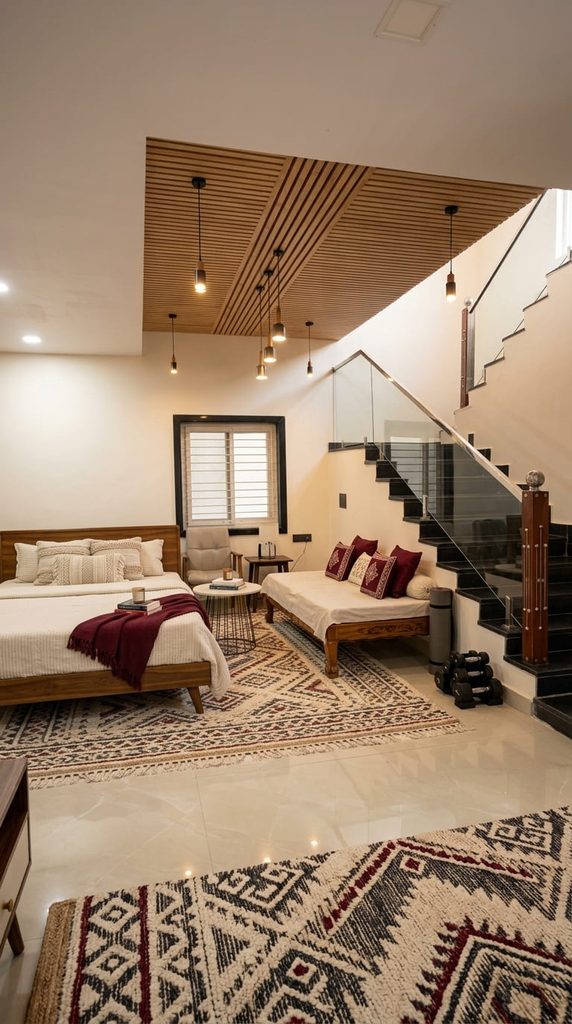
Basement floors, even nice ones, tend to run cooler than the rest of the house. A large area rug that covers most of the room fixes that problem and adds a softness that basements desperately need. Go bigger than you think you need here so the rug reaches close to the walls instead of floating in the middle.
9. Layered Rugs For A Cozier Feel
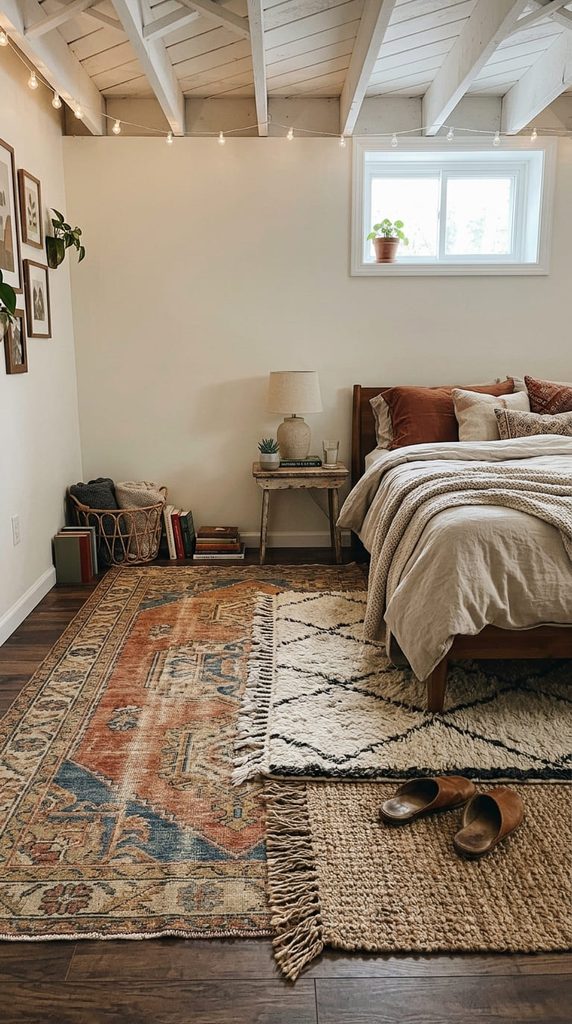
If one rug doesn’t feel like enough, layering a smaller textured rug on top of a larger flat weave adds depth and warmth without much extra cost. This is a favorite trick of mine for basement bedrooms specifically because it breaks up all that flat, hard flooring and makes the space feel intentional instead of thrown together.
Ceiling And Low Height Solutions
10. Removing A Bulky Drop Ceiling
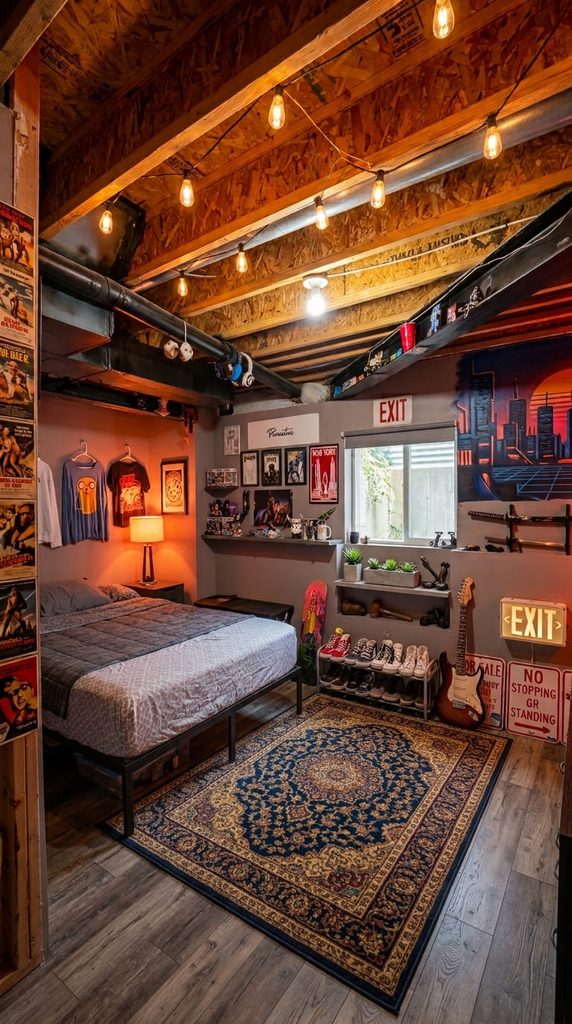
Old drop ceilings eat up height you probably can’t afford to lose in a basement. If yours is outdated or damaged, removing it entirely can free up several extra inches, which makes a bigger difference than you’d expect in how tall and comfortable the room feels.
This is a bigger project, so it’s usually best left to a contractor, especially once electrical and framing come into play.
11. Painting Exposed Rafters One Color
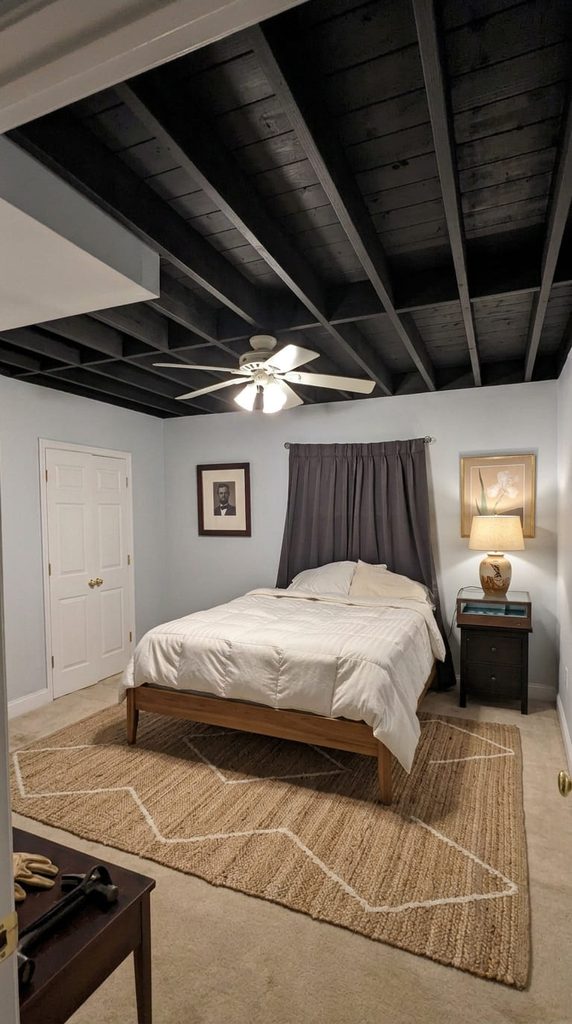
Once that drop ceiling is gone, you don’t necessarily need to frame it back in. Leaving the rafters exposed and painting them one solid color, black is a popular choice, gives the room an industrial, intentional look instead of an unfinished one. It also happens to be one of the cheapest ceiling options on this entire list.
12. Beadboard Or Paneling For A Finished Look
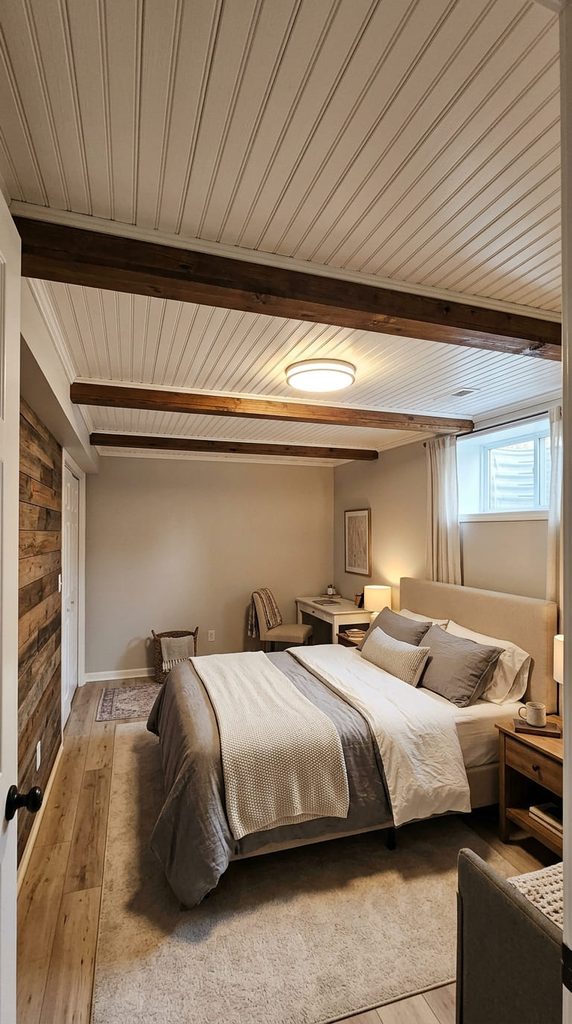
If exposed rafters feel too rustic for what you’re going for, beadboard or simple wood paneling gives the ceiling a clean, finished look while still gaining back some of that lost height compared to a drop ceiling. It takes a bit more work to install, but the payoff is a ceiling that actually looks designed rather than patched together.
RELATED: 20 Bedroom Ideas That’ll Make You Want to Redecorate
Layout, Storage, And Cozy Details
13. A Peg Rail Or Wall Storage System
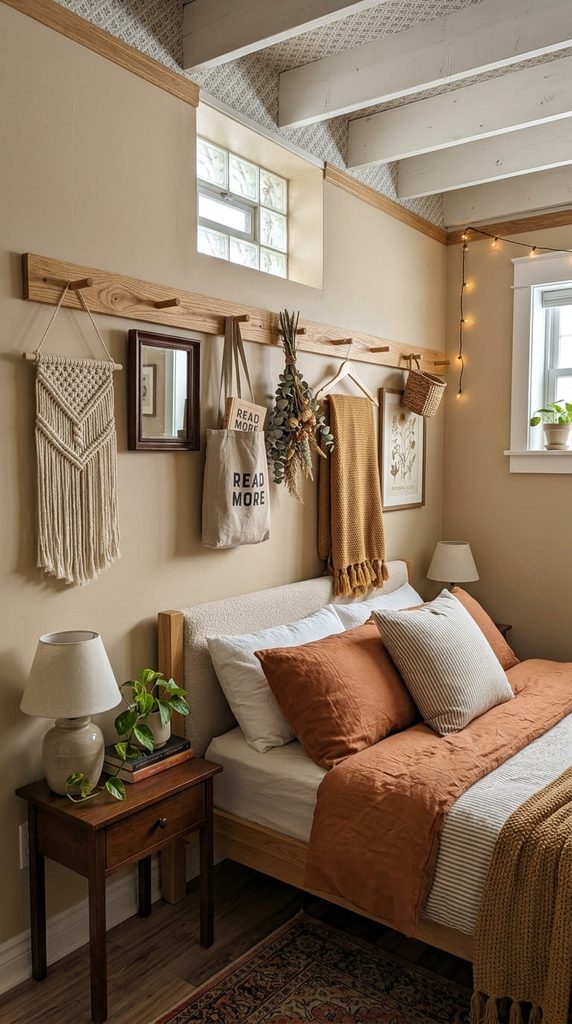
Basement bedrooms are notorious for having awkward walls, whether it’s a random support post, a closet door in a weird spot, or just not enough space for a full dresser. A peg rail running around the room solves a lot of that.
You get a place to hang art, bags, or seasonal decor without taking up any floor space at all.It’s a small detail, but it adds character to a room that might not have much architecture to work with otherwise.
14. Multi Purpose Furniture For Small Footprints
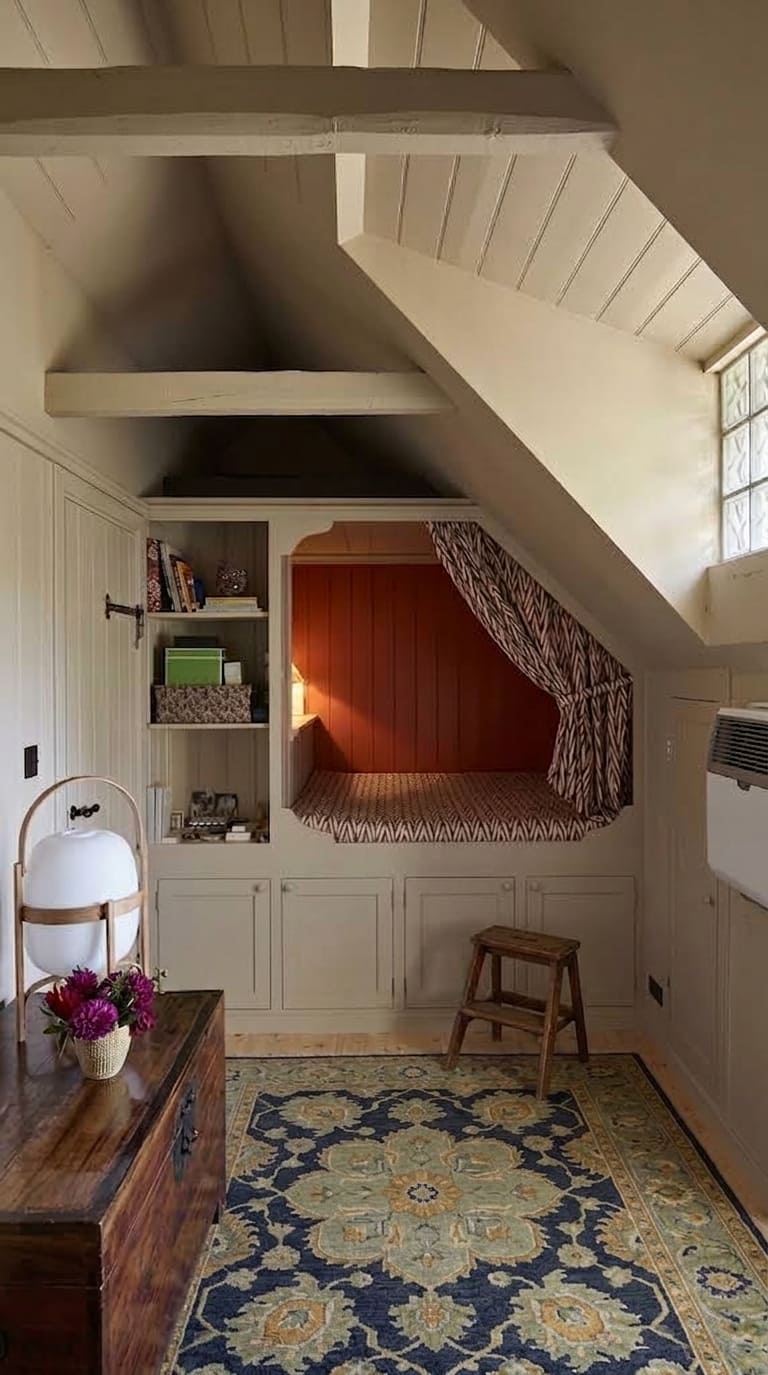
Basement bedrooms are often a bit smaller or more oddly shaped than upstairs rooms, so furniture that pulls double duty is worth prioritizing. A storage bench at the foot of the bed, a small stool that works as a nightstand, or a bed frame with built-in drawers all help you get more function out of a limited footprint.
15. Soft Textiles To Offset Concrete And Cold
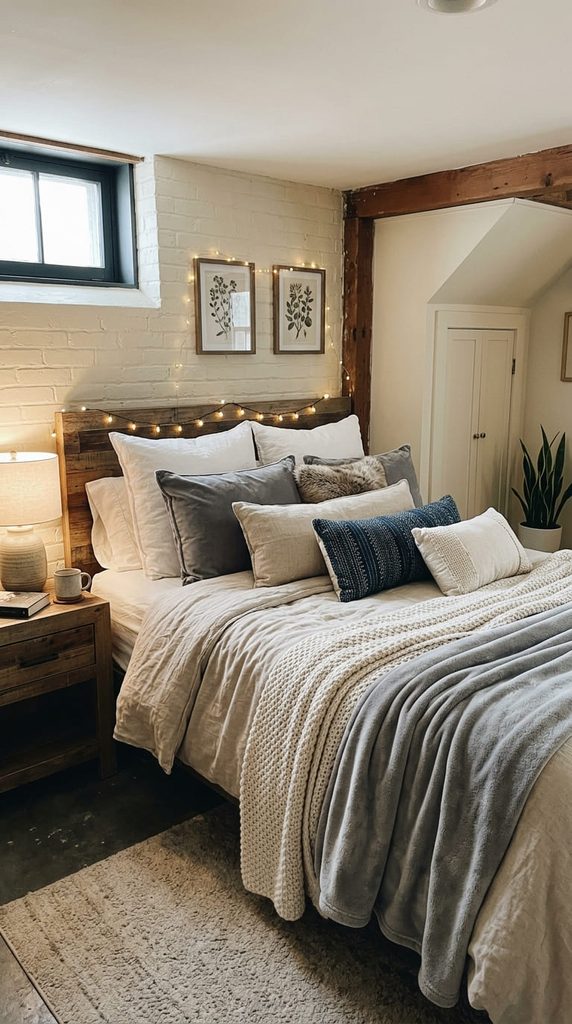
Since a basement bedroom is usually surrounded by concrete, even behind finished drywall, leaning into soft textiles helps balance that out. Think a chunky knit throw at the end of the bed, extra pillows, and heavier curtains if you’re lucky enough to have a window. These little layers are what actually make a basement feel like a bedroom instead of a finished storage room.
Frequently Asked Questions
How do you make a basement bedroom feel cozy?
The biggest factors are lighting and texture. Swapping harsh overhead lighting for warm lamps, choosing a warm paint color instead of a cold neutral, and layering in soft textiles like rugs and throw blankets all go a long way toward making a basement bedroom feel warm and lived in rather than cold and unfinished.
What flooring is best for a basement bedroom?
Waterproof vinyl plank flooring is usually the best choice for a basement bedroom because it holds up to the moisture and humidity that basements naturally deal with, while still giving you the look of real hardwood. It’s also budget-friendly and often simple enough to install yourself.
How do you decorate a basement bedroom with no windows?
Focus on layered, warm lighting instead of relying on natural light. Table lamps, a well-placed mirror to bounce light around, and warm paint tones all help a windowless basement bedroom feel less closed in. Avoid cool grays and blues, since they tend to make a room without natural light feel even colder.
Can you legally use a basement room as a bedroom?
In most areas, a basement room needs an egress window (one large enough to escape through in an emergency) along with proper ceiling height and smoke detectors to legally count as a bedroom. Requirements vary by location, so it’s worth checking your local building codes before officially calling a basement room a bedroom, especially if you plan to sell your home down the road.
What colors make a basement bedroom feel bigger?
Warm, light neutrals tend to make a basement bedroom feel more open, since they reflect more light than deep, cool tones. That said, color drenching a small basement room in one consistent shade, even a deeper one, can also make it feel larger by removing the visual break between the walls and ceiling.
Which of these basement bedroom ideas are you trying first? Save this post for later so you have it handy when you’re ready to start.